
 By
By 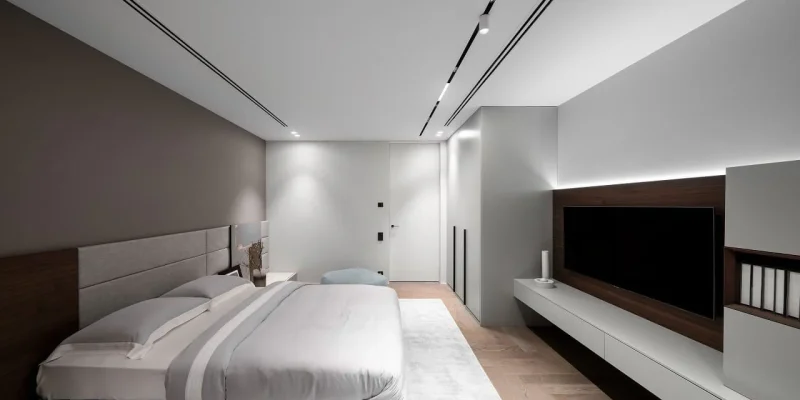
Lighting is more than a functional element in modern interior design; it is one of the most powerful tools for shaping mood, defining space, and enhancing architecture. A well-planned lighting strategy transforms interiors from ordinary to extraordinary, influencing how people perceive and experience a room. Whether through natural light, ambient glow, or artistic fixtures, lighting determines how colors, textures, and forms come to life within a space. Understanding the role of lighting in modern interior design is essential for achieving balanced, beautiful, and emotionally resonant environments that align with both aesthetic and practical goals.
The Importance of Lighting in Interior Design
Lighting serves as both a design feature and a functional necessity. It influences mood, defines purpose, and contributes to the comfort and character of a home or workspace. In modern design, lighting integrates seamlessly into architecture, furniture, and décor, becoming an essential part of spatial storytelling.
Key roles lighting plays in design include:
- Creating ambiance by adjusting tone, brightness, and temperature.
- Defining function through different lighting layers that support activities.
- Enhancing aesthetics by highlighting materials, finishes, and architectural features.
- Improving spatial perception by manipulating shadows and reflections.
- Boosting well-being through appropriate exposure to natural and artificial light.
Lighting design today combines artistry and science. It demands an understanding of psychology, technology, and spatial dynamics to produce spaces that feel both inviting and efficient.
Natural Light: The Foundation of Modern Design
Natural light is the cornerstone of modern interiors. It enhances visual comfort, reduces energy consumption, and connects indoor spaces with the outside world. Architects and designers prioritize daylight as a structural feature, using it to define rhythm and spatial flow.
Strategies to maximize natural light include:
- Installing large windows and glass walls to create openness and transparency.
- Using skylights or light wells to distribute daylight evenly.
- Incorporating reflective surfaces such as mirrors and polished finishes to amplify brightness.
- Applying sheer curtains or adjustable blinds to control glare without obstructing light.
- Designing open floor plans that allow light to penetrate deeper into interiors.
Natural light not only enhances aesthetics but also supports circadian rhythms, improving mood and productivity. In modern homes, it often serves as the primary lighting source, supplemented by artificial fixtures for flexibility and control.
The Three Layers of Lighting
A balanced lighting design typically relies on three fundamental layers: ambient, task, and accent lighting. These layers work together to achieve harmony, depth, and versatility in any space.
1. Ambient Lighting
Ambient lighting provides general illumination that establishes the overall mood of a room. It ensures even light distribution and visual comfort without harsh contrasts.
Common sources of ambient lighting include:
- Recessed ceiling lights
- Pendant fixtures
- Chandeliers
- Wall-mounted sconces
- Cove or tray ceiling lights
In modern interiors, ambient light is often soft and diffused, creating a calm atmosphere that enhances relaxation while allowing for other design features to shine.
2. Task Lighting
Task lighting focuses on functionality by providing targeted illumination for specific activities. It is essential for areas where precision or concentration is required, such as reading, cooking, or working.
Examples of task lighting include:
- Under-cabinet kitchen lights
- Desk lamps or adjustable floor lamps
- Bathroom mirror lighting
- Focused pendant lights over kitchen islands or dining tables
Effective task lighting eliminates shadows and eye strain while complementing other layers of light for a cohesive design.
3. Accent Lighting
Accent lighting adds drama, depth, and focus to interiors. It draws attention to architectural details, artwork, or textured walls, turning functional spaces into visually engaging environments.
Accent lighting applications include:
- Wall washers that illuminate artwork
- Track lights directed at sculptures or display shelves
- LED strips outlining furniture or cabinetry
- Uplights emphasizing textures or vertical lines
Modern accent lighting is often subtle yet intentional, creating visual rhythm and guiding the viewer’s gaze through the room.
The Role of Light Temperature and Color
The color temperature of light significantly impacts the emotional tone of a space. Measured in Kelvins (K), it ranges from warm to cool and affects how interiors feel and function.
- Warm light (2700K–3000K) produces a cozy, inviting atmosphere ideal for living rooms and bedrooms.
- Neutral light (3500K–4100K) creates balance and is often used in kitchens, bathrooms, and offices.
- Cool light (5000K–6500K) mimics daylight and enhances focus, making it suitable for task-oriented environments.
Designers often layer multiple color temperatures to achieve a dynamic, adaptive environment. For example, a living room may combine warm overhead lighting with cooler task lights for reading.
Color rendering, measured by the Color Rendering Index (CRI), also matters. A high CRI (above 90) ensures that colors appear vivid and accurate under artificial light, preserving the integrity of materials and finishes.
Lighting as an Architectural Element
In modern interior design, lighting is not an afterthought—it is an architectural feature that shapes perception and defines structure. Integrated lighting solutions are designed to complement spatial geometry and materiality.
Architectural lighting techniques include:
- Recessed lighting that blends seamlessly with ceilings and walls.
- Linear LED strips integrated into shelving, stairs, or coves.
- Backlit panels that add depth and diffuse light evenly.
- Floating fixtures that create visual continuity across open spaces.
These techniques allow designers to sculpt spaces with light, emphasizing forms and guiding movement without overwhelming the eye.
The Psychological Impact of Lighting
Lighting directly influences human psychology, affecting mood, focus, and energy levels. In residential design, well-calibrated lighting can evoke calmness, intimacy, or vibrancy depending on the desired atmosphere.
Psychological principles in lighting design:
- Warm, dim light promotes relaxation and comfort.
- Cool, bright light stimulates alertness and productivity.
- Dynamic lighting systems that change throughout the day mimic natural daylight cycles, improving well-being.
- Balanced contrasts reduce visual fatigue and support emotional balance.
In commercial and hospitality environments, lighting plays an even more strategic role. Retail lighting, for instance, uses directional and accent illumination to draw attention to products, while restaurants often rely on soft lighting to enhance intimacy.
Smart Lighting and Technological Innovation
Technology has revolutionized modern lighting design, introducing automation, energy efficiency, and personalization. Smart lighting systems give homeowners unprecedented control over brightness, color, and scheduling through mobile apps or voice commands.
Notable advancements in smart lighting include:
- LED technology offering longer lifespan and reduced energy consumption.
- Motion and occupancy sensors for automatic light activation.
- Color-tunable systems that adapt to circadian rhythms.
- Integration with smart home ecosystems for synchronized lighting scenes.
Smart lighting not only improves convenience but also enhances sustainability, allowing users to minimize waste and manage energy more effectively.
Sustainable Lighting Practices
Sustainability has become a core principle in contemporary design, and lighting is no exception. Choosing energy-efficient fixtures and sustainable materials reduces environmental impact while maintaining style and comfort.
Sustainable lighting strategies include:
- Replacing incandescent bulbs with LEDs that consume up to 80% less energy.
- Installing dimmers and motion sensors to reduce unnecessary usage.
- Designing spaces to maximize natural daylight, minimizing reliance on artificial sources.
- Using recycled materials in fixtures and lamp shades.
- Incorporating solar-powered outdoor lighting for eco-friendly illumination.
By merging design innovation with environmental responsibility, sustainable lighting supports the larger goals of green building and healthy living environments.
Layered Lighting in Different Rooms
Every room in a home requires a different lighting approach, tailored to its function and emotional tone.
Living Room
This is where flexibility matters most. Combine ambient lighting from recessed or ceiling fixtures with task lights for reading corners and accent lighting for artwork or shelving. Use dimmers to shift from daytime brightness to evening warmth.
Kitchen
Functionality and clarity are key. Use bright task lighting over countertops, islands, and sinks, complemented by ambient ceiling fixtures. Under-cabinet LEDs eliminate shadows and create visual depth.
Bedroom
The goal is relaxation and serenity. Warm ambient light paired with bedside task lamps or wall sconces promotes calmness. Avoid harsh overhead fixtures and opt for layered, dimmable lighting.
Bathroom
Balanced lighting prevents shadows while maintaining clarity. Combine bright task lights near mirrors with softer ambient ceiling lights. Consider moisture-resistant fixtures for safety and longevity.
Home Office
Cool, focused lighting enhances concentration. Use desk lamps with adjustable arms and daylight bulbs for natural illumination. Combine this with soft ambient lighting to reduce contrast and eye strain.
Decorative Fixtures and Artistic Expression
In modern design, lighting fixtures serve as both functional tools and works of art. Statement pieces such as chandeliers, sculptural pendants, and geometric wall lights create visual drama and act as focal points in otherwise minimal spaces.
Popular trends in decorative lighting include:
- Minimalist linear pendants over dining tables or islands.
- Organic shapes inspired by nature and fluid forms.
- Metallic finishes like brushed brass, bronze, or matte black for sophistication.
- Clustered lighting installations that add visual movement.
Decorative lighting bridges the gap between utility and expression, giving spaces a unique personality.
Balancing Light and Shadow
Great lighting design is not only about illumination—it’s also about contrast. Shadows create depth and intrigue, preventing interiors from feeling flat or overexposed. Designers use shadow play strategically to emphasize textures and architectural features.
Effective light-shadow balance involves:
- Positioning lights to graze textured walls, revealing surface patterns.
- Using uplighting or downlighting to sculpt furniture and décor.
- Employing dimmable fixtures to control intensity and contrast.
Mastering this interplay between light and shadow brings spaces to life, giving them rhythm and dimensionality.
Frequently Asked Questions
What is the most important type of lighting in interior design?
There isn’t one single type; a combination of ambient, task, and accent lighting creates balance. Together, these layers ensure both functionality and atmosphere.
How does lighting affect color perception in a room?
Lighting can dramatically alter how colors appear. Warm light enhances reds and yellows, while cool light brings out blues and greens. Always test paint and materials under the intended lighting conditions.
What are the best lighting solutions for small spaces?
Use wall-mounted fixtures and recessed lights to save space. Mirrors and reflective surfaces help distribute light evenly, making the room appear larger.
How can I reduce energy consumption with lighting?
Opt for LED bulbs, dimmers, and motion sensors. Integrate natural light strategically through skylights or larger windows to reduce dependency on artificial light.
Can lighting influence productivity?
Yes. Bright, cool-toned light promotes alertness and focus, making it ideal for home offices or study areas. Conversely, warmer tones encourage relaxation in living and sleeping zones.
Lighting defines modern interiors as much as materials and color palettes do. It sets mood, reveals texture, and connects architecture with emotion. By mastering the role of lighting in modern interior design, homeowners and designers can create spaces that feel alive, purposeful, and timeless—illuminating both functionality and beauty in every corner.





Comments