
 By
By 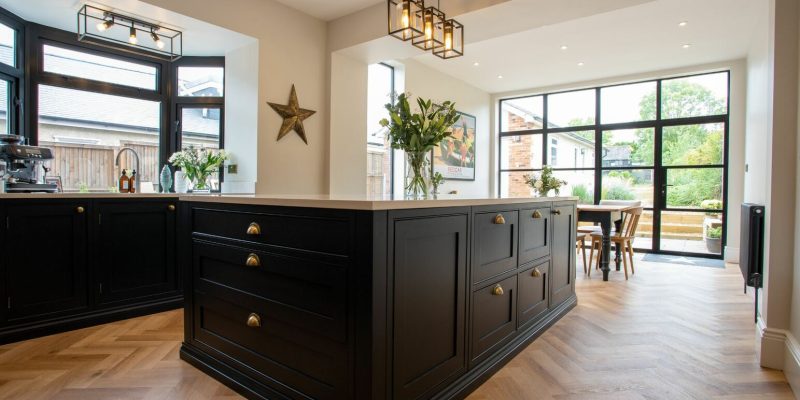
The kitchen has evolved far beyond a space for cooking—it is now the heart of the home, where design, functionality, and lifestyle intersect. Homeowners recognize that the kitchen plays a pivotal role in property value and daily comfort, making it one of the most worthwhile areas to renovate. Keeping up with kitchen renovation trends that add value is essential for anyone planning to upgrade their home in a way that aligns with modern preferences and long-term returns.
Renovating a kitchen doesn’t simply mean installing new cabinets or appliances. Today’s top trends focus on sustainability, smart technology, efficient layouts, and timeless aesthetics that enhance resale value and day-to-day usability. The key is creating a space that combines visual appeal with practicality while anticipating how future homeowners will value design features.
The Growing Importance of Kitchen Renovations
A well-designed kitchen contributes more to property value than nearly any other renovation. Real estate studies show that kitchen remodels often yield one of the highest returns on investment (ROI), with minor upgrades recouping up to 80% or more of their cost at resale.
Beyond financial returns, a kitchen renovation adds lifestyle value. A thoughtfully designed kitchen improves workflow, energy efficiency, and social interaction, becoming the centerpiece of modern living.
Modern buyers and homeowners are drawn to spaces that feel open, connected, and functional. As such, renovation trends today reflect priorities like sustainability, customization, and technology integration—all while ensuring longevity and visual cohesion.
1. Open-Concept Layouts and Spatial Flow
The open-concept kitchen continues to dominate renovation trends, but with a refined focus on balance and zoning. Homeowners now seek spaces that encourage interaction without sacrificing organization or privacy.
Key layout strategies include:
- Combining the kitchen, dining, and living areas for seamless flow.
- Using kitchen islands or peninsulas to define functional zones while maintaining openness.
- Integrating hidden storage or built-in cabinetry to keep clutter out of sight.
- Incorporating flexible seating, such as breakfast nooks or bar stools, for casual dining.
Open layouts not only enhance natural light but also create a sense of spaciousness that modern buyers highly value. The trick lies in blending openness with subtle separation—using flooring changes, lighting, or partial walls to distinguish areas without blocking sightlines.
2. Smart Kitchen Technology
Technology has transformed the way kitchens function. Smart appliances and connected systems are no longer luxuries—they’re becoming standard features that appeal to tech-savvy homeowners and buyers alike.
Top smart kitchen innovations include:
- Voice-activated faucets for hands-free operation and improved hygiene.
- Wi-Fi-enabled ovens that allow remote preheating, cooking, and monitoring.
- Smart refrigerators with touchscreen displays, inventory tracking, and energy efficiency settings.
- Integrated lighting systems that adjust brightness or color temperature automatically.
- App-controlled dishwashers and coffee machines for ultimate convenience.
Smart technology not only improves daily functionality but also increases energy efficiency, which aligns with modern sustainability goals. These upgrades make kitchens future-ready and appealing to buyers looking for homes that keep up with digital living.
3. Sustainable and Eco-Friendly Materials
Sustainability is no longer a niche concern—it’s a design imperative. Homeowners are choosing eco-friendly materials that reduce environmental impact while maintaining durability and elegance.
Popular sustainable kitchen materials include:
- Bamboo or reclaimed wood for cabinetry and flooring.
- Quartz countertops made with recycled content and nonporous finishes.
- Low-VOC paints and finishes to improve indoor air quality.
- Energy-efficient LED lighting to lower energy use.
- Water-saving faucets and dishwashers for conservation.
Sustainability also extends to long-lasting design. Choosing timeless materials that won’t require frequent replacement is both eco-conscious and cost-effective. By using renewable or recycled products, homeowners add lasting value while contributing to environmental responsibility.
4. Multi-Functional Kitchen Islands
The kitchen island has evolved into one of the most essential and versatile design features in modern homes. No longer limited to extra counter space, islands now serve as multifunctional hubs for cooking, dining, storage, and socializing.
Current island design trends include:
- Waterfall countertops for a sleek, contemporary aesthetic.
- Integrated appliances like microwaves, beverage coolers, or induction cooktops.
- Hidden outlets and USB ports for device charging.
- Built-in seating for casual dining or homework areas.
- Contrasting cabinetry finishes to create a focal design element.
A well-designed island enhances efficiency while making the kitchen a natural gathering place, increasing both utility and aesthetic appeal.
5. Timeless Color Palettes with Modern Twists
While trends shift frequently, timeless color schemes remain a foundation for kitchens that hold their value. Neutrals like white, beige, gray, and taupe remain popular, but homeowners are experimenting with bold accents and organic hues to add character.
Trending color combinations include:
- Warm neutrals paired with matte black fixtures for contrast.
- Earth tones such as olive green, terracotta, and sand for natural appeal.
- Two-tone cabinetry blending light uppers with darker base cabinets.
- Soft pastels used subtly in tiles or backsplashes for depth without overpowering.
A balanced palette enhances resale potential by appealing to a wide range of buyers while allowing customization through décor and accessories.
6. Minimalist and Streamlined Design
Modern kitchens are trending toward minimalism—spaces that prioritize clean lines, functionality, and uncluttered aesthetics. This doesn’t mean sterile or cold; rather, it emphasizes thoughtful design that enhances usability and visual harmony.
Key minimalist features include:
- Flat-panel cabinetry or handleless doors for seamless surfaces.
- Concealed appliances and integrated storage.
- Matte finishes that reduce glare and highlight texture.
- Open shelving balanced with closed storage for curated displays.
The minimalist approach adds sophistication and spaciousness, creating kitchens that feel contemporary and calming—qualities highly attractive to potential buyers.
7. Statement Countertops and Backsplashes
Countertops and backsplashes have become the artistic centerpiece of the kitchen, blending functionality with design expression. Natural stone and composite materials dominate current trends for their durability and visual impact.
Popular materials and finishes:
- Quartz and granite for timeless, low-maintenance appeal.
- Marble-inspired quartz for luxury without the upkeep.
- Textured or honed finishes for a matte, tactile feel.
- Full-height backsplashes that extend to upper cabinets for continuity.
- Bold veining and patterns that serve as visual focal points.
Selecting high-quality, durable materials for these surfaces ensures longevity and adds significant resale value, as buyers often view these elements as premium upgrades.
8. Smart Storage Solutions
Clutter-free kitchens remain one of the most desired design outcomes. Innovative storage solutions allow homeowners to maximize space while maintaining a sleek aesthetic.
Modern storage innovations include:
- Deep drawers for pots and pans instead of traditional cabinets.
- Pull-out pantry systems that optimize narrow spaces.
- Hidden corner solutions with rotating shelves or carousels.
- Built-in dividers for cutlery, spices, and small appliances.
- Vertical storage racks for baking sheets and trays.
Smart organization enhances efficiency and comfort while keeping surfaces tidy. It’s an upgrade that both improves daily functionality and impresses buyers.
9. Luxury Lighting Design
Lighting has become a defining element in modern kitchens, both for functionality and ambiance. Layered lighting—combining ambient, task, and accent illumination—creates versatility and visual depth.
Lighting design trends include:
- Pendant lights above islands as statement pieces.
- Recessed lighting for clean, even illumination.
- Under-cabinet LEDs to highlight countertops and backsplashes.
- Integrated toe-kick lighting for subtle nighttime navigation.
- Warm color temperatures to create inviting, comfortable atmospheres.
Thoughtful lighting design not only enhances beauty but also increases usability, making it a practical and high-value addition.
10. Hidden and Integrated Appliances
To achieve a cohesive, seamless appearance, integrated appliances are becoming a staple in modern kitchen design. This trend aligns with the minimalist aesthetic while optimizing space.
Examples of integration include:
- Refrigerators and dishwashers with custom cabinetry panels.
- Built-in coffee machines or wine fridges for luxury touches.
- Flush-mounted cooktops that blend into countertops.
- Drawer-style microwaves and freezers.
These hidden designs elevate the kitchen’s overall look, allowing materials and finishes to take visual precedence while maintaining full functionality.
11. Natural Elements and Biophilic Design
Incorporating natural materials and organic elements fosters warmth, balance, and connection with the outdoors—a growing focus in interior design.
Ways to introduce biophilic design:
- Use of wood grain cabinetry, rattan, or natural stone.
- Adding large windows or glass doors for natural light.
- Including indoor herb gardens or plant shelves.
- Choosing warm, earthy tones for walls and surfaces.
Biophilic kitchens feel grounded, calming, and timeless, blending luxury with livability in ways that resonate with homeowners seeking comfort and wellness.
12. Compact and Efficient Layouts for Small Spaces
Not every home offers a large kitchen, but modern design trends prove that even compact spaces can be high-performing and stylish. Efficiency-focused layouts like galley and L-shaped kitchens maximize usability through smart design.
Key ideas for smaller kitchens:
- Use vertical storage and wall-mounted shelves.
- Choose reflective finishes to expand visual space.
- Install sliding or pocket doors to save room.
- Incorporate foldable tables or extendable islands.
Smaller yet highly efficient kitchens appeal strongly to urban buyers and add significant value in compact homes or apartments.
Frequently Asked Questions
What kitchen renovation adds the most value?
Upgrading cabinets, countertops, and appliances yields the highest return. Focus on durable materials, neutral colors, and functional layouts that appeal to a broad range of buyers.
Is it better to remodel a kitchen fully or partially?
A minor remodel—like updating fixtures, paint, and countertops—often provides better ROI than a full gut renovation. However, full remodels can be worthwhile for outdated layouts or damaged structures.
How can I make my kitchen look high-end on a budget?
Use affordable alternatives like quartz instead of marble, upgrade lighting fixtures, and repaint cabinets. Small changes such as modern hardware and coordinated finishes create a luxurious look affordably.
Are smart appliances worth the investment?
Yes, especially for energy efficiency and convenience. Smart technology appeals to modern buyers and future-proofs your kitchen against evolving trends.
How often should a kitchen be renovated?
Most experts recommend updating every 10–15 years to maintain modern functionality and aesthetics, although minor refreshes every few years can extend that lifespan.
Modern kitchens are evolving into multi-purpose spaces that emphasize efficiency, sustainability, and sophistication. Investing in kitchen renovation trends that add value not only enhances your home’s resale potential but also transforms the heart of your home into a space that supports modern living—beautiful, practical, and built to last.







Comments