
 By
By 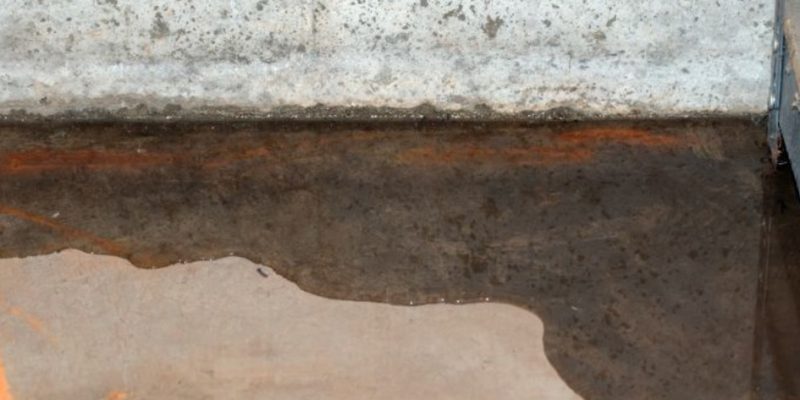
Basements tend to show problems before the rest of the house does. A damp smell that never fully goes away, walls that feel cool and clammy, or small water marks that appear after heavy rain. In Bel Air, MD, these signs are fairly common, especially in homes with basements built years ago. Many homeowners notice something feels off, but are not quite sure when it becomes a real issue.
That uncertainty is usually when people start looking for clear answers and practical solutions. Homeowners often end up researching options like interior basement waterproofing in Bel Air, MD, to understand how moisture can be managed from inside the home without tearing everything apart or guessing their way through fixes.
Why Interior Basement Waterproofing Matters In Bel Air Homes
Basements are naturally vulnerable because they sit below ground level. Water moves through soil, and when the ground around a home becomes saturated, pressure builds against foundation walls. Even small cracks or gaps can allow moisture to make its way inside.
In Bel Air, soil conditions and seasonal rain patterns add to the challenge. Some areas hold water longer after storms, which increases hydrostatic pressure around foundations. Over time, that pressure finds the weakest points. Interior basement waterproofing focuses on controlling water once it enters the structure, which is often the most realistic and effective approach for existing homes.
Many homeowners assume waterproofing must start outside. While exterior methods can help, interior systems are often more practical, less disruptive, and easier to maintain long-term.
Common Signs Your Basement Needs Attention
Basement moisture problems rarely appear all at once. They usually develop slowly, which makes them easier to ignore. A small damp spot on the wall might not seem urgent. Neither does a bit of peeling paint or white powder residue near the floor.
These signs usually indicate ongoing moisture. Efflorescence, which looks like chalky white dust, forms when water moves through masonry and leaves mineral deposits behind. Musty odors often mean moisture has been present long enough to affect air quality.
Another common sign is humidity. If your basement feels damp year-round or you notice condensation on pipes and walls, moisture is likely entering the space regularly. Over time, that moisture can impact framing, insulation, and stored belongings.
What Interior Basement Waterproofing Actually Involves
Interior basement waterproofing is not just about sealing visible cracks. A proper approach starts with identifying how water is entering the basement and where it collects. This allows solutions to be tailored to the home rather than relying on generic fixes.
Common interior systems include drainage channels installed along the basement perimeter, sump pumps that collect and remove water, and vapor barriers that help manage moisture levels. Cracks in foundation walls are often sealed using specialized materials designed to move with the structure rather than crack again.
The goal of interior basement waterproofing is control. Instead of trying to fight water pressure from the outside, these systems guide water safely away from the foundation and out of the home.
Why Quick Fixes Rarely Hold Up
Many homeowners try waterproof paint or patch kits as a first step. While these options may look appealing, they often treat symptoms rather than the causes. Paint can peel, sealants can fail, and moisture can simply find a new path.
Water pressure does not disappear because a wall looks sealed. In some cases, surface coatings can trap moisture within the wall, leading to further deterioration over time. That is why long-term solutions focus on drainage and pressure relief rather than cosmetic fixes.
It is understandable to want a simple answer, but basement moisture problems usually require a system rather than a single product.
How Interior Waterproofing Protects Your Home Value
A dry basement offers more than peace of mind. It helps protect the overall value of the home. Moisture issues can affect resale, inspections, and buyer confidence. Even finished basements lose appeal if there is a history of water problems.
Interior basement waterproofing helps create a stable environment that supports future use of the space. Whether the basement is used for storage, living areas, or potential renovations, controlling moisture protects both structure and investment.
In Bel Air, where many homeowners plan to stay in their homes long term, maintaining a dry basement supports comfort today and value down the road.
Maintenance And Prevention Still Matter
Waterproofing systems work best when combined with basic maintenance. Keeping gutters clear, directing downspouts away from the foundation, and checking grading around the home all reduce the amount of water reaching the basement walls.
It also helps to monitor the basement after heavy rain. Catching small changes early can prevent larger problems later. Interior systems are designed to manage water, but awareness adds another layer of protection.
Prepared homeowners tend to experience fewer surprises when weather conditions change.
A Practical Next Step For Bel Air Homeowners
Basement moisture problems rarely resolve on their own. They tend to become more noticeable over time, especially as seasons change and weather patterns shift. Taking action early can save stress, time, and money.
Bel Air Basement Waterproofing works with local homeowners who want clear answers and effective solutions for interior basement waterproofing. Whether you are dealing with visible water issues or early warning signs, professional guidance can help you understand your options and choose the right approach.
Knowing how your basement handles moisture gives you control instead of uncertainty. And that knowledge makes it easier to protect your home for years to come.










Comments