
 By
By 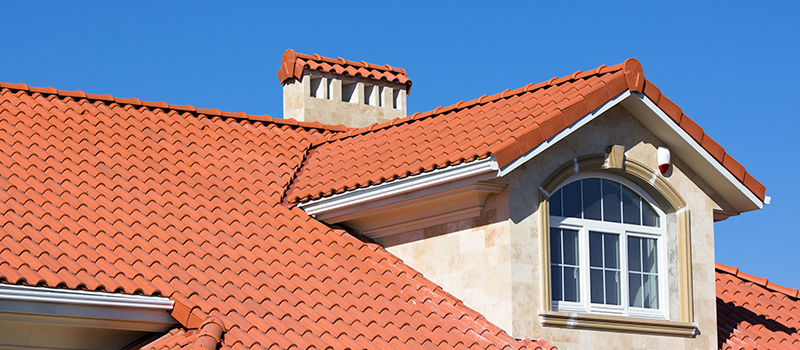
When it comes to selecting a roofing material that combines durability with timeless elegance, clay tiles have remained a popular choice for centuries. From ancient Mediterranean architecture to modern luxury homes, these handcrafted tiles deliver a balance of form and function that few materials can rival.
Today’s homeowners are looking beyond basic shingles in favor of more resilient and visually distinctive options. With the growing demand for energy efficiency and longer-lasting materials, tile roofing services are seeing a steady rise in popularity. Clay tiles, in particular, are often chosen not only for their rich aesthetic but also for their impressive lifespan.
What Sets Clay Tiles Apart
Clay tiles are made by baking molded natural clay at high temperatures until they harden. The process results in an incredibly strong, fire-resistant material that can last more than 100 years when properly installed and maintained. These tiles come in a variety of shapes and colors, from traditional Spanish-style barrel tiles to flat profiles that mimic slate.
One of the main reasons homeowners and architects turn to clay is its classic appearance. The earthy tones and textured surfaces add warmth and character to any structure. Unlike many synthetic roofing materials, clay tile ages gracefully, often looking better as it weathers.
Performance That Goes Beyond Looks
Clay tiles aren’t just about visual appeal. They also offer outstanding protection against the elements. Their dense composition makes them highly resistant to harsh weather conditions, including heavy rain, strong winds, and intense sun exposure. In hotter climates, clay tiles help maintain indoor comfort by reflecting sunlight and providing natural ventilation between the tile and roof deck.
These natural insulation properties can lead to lower cooling costs in the summer. And since clay is a sustainable material, it’s a great choice for homeowners interested in eco-friendly construction.
Additionally, clay tiles are fireproof, which adds another layer of safety for properties located in wildfire-prone areas. The non-combustible surface won’t ignite when exposed to sparks or embers, giving peace of mind that’s hard to match with asphalt or wood-based options.
Understanding the Installation Process
Installing clay tile roofing is not a casual weekend project. It’s a complex and labor-intensive process that requires expertise and specialized tools. The tiles are heavy and must be laid carefully in overlapping patterns to ensure water runs off properly and doesn’t seep underneath.
The process often starts with reinforcing the roof structure. Because clay tiles can weigh two to four times more than asphalt shingles, some homes may require structural adjustments to support the additional load. Once that’s addressed, roofers install underlayment and battens, which help create channels for airflow and water drainage. Each tile is then secured individually, often with nails or clips, depending on the slope of the roof and local building codes.
This level of precision is one reason why professional tile roofing services are crucial. Improper installation can lead to cracked tiles, leaks, or reduced lifespan. Hiring experienced installers ensures that your investment performs as intended for decades.
Maintenance and Repairs
Though durable, clay tiles are not invincible. Walking on them can cause breakage, so any roof inspection or repair should be done carefully or left to the professionals. Over time, some tiles may crack or loosen due to shifting foundations or severe weather, but individual tiles can typically be replaced without disturbing the surrounding sections.
It’s recommended to have clay tile roofs inspected every few years to identify any minor issues before they escalate. Routine maintenance, such as clearing debris from valleys and gutters, also helps prolong the system’s effectiveness.
Another important aspect of clay tile care is monitoring the roof’s flashing and underlayment. These components are often the first to show signs of wear and can lead to leaks if neglected. Replacing them as needed can prevent costly water damage and extend the life of the entire roof.
Cost Considerations
There’s no denying that clay tile roofing comes with a higher upfront cost compared to asphalt shingles. Materials are more expensive, and installation is more involved. However, the long-term value is substantial. With a life expectancy that can exceed 100 years, clay tiles offer excellent return on investment.
Homeowners may also benefit from lower maintenance costs and potential energy savings, not to mention the increased curb appeal and property value. When viewed through a long-term lens, the initial price tag becomes far more justifiable.
When to Choose Clay Tile Roofing
Clay tiles are ideal for homeowners looking for a distinctive, long-lasting roofing material. They work particularly well on homes with architectural styles like Mediterranean, Spanish Colonial, or Mission, but with the right design, they can complement contemporary homes too.
If you’re considering an upgrade to your current roofing system or building a custom home, exploring tile roofing services is a wise move. Professionals can assess your roof’s structural integrity, recommend design options, and guide you through the process from start to finish.
Sustainability and Environmental Benefits
Clay tiles are made from natural, abundant materials and can be recycled at the end of their long service life. Their thermal performance helps reduce energy consumption, making them a smart option for eco-conscious homeowners.
Additionally, many clay tile manufacturers now adhere to sustainable production methods, using lower-emission kilns and recycled water in their processes. This further enhances their environmental credentials.
Final Thoughts
Clay tile roofing is a blend of old-world craftsmanship and modern performance. Its timeless beauty, exceptional durability, and natural energy efficiency make it a top-tier choice for homeowners looking to invest in long-term protection and style. With proper planning and professional tile roofing services, your roof can become a functional work of art that protects your home for generations.






Comments