
 By
By 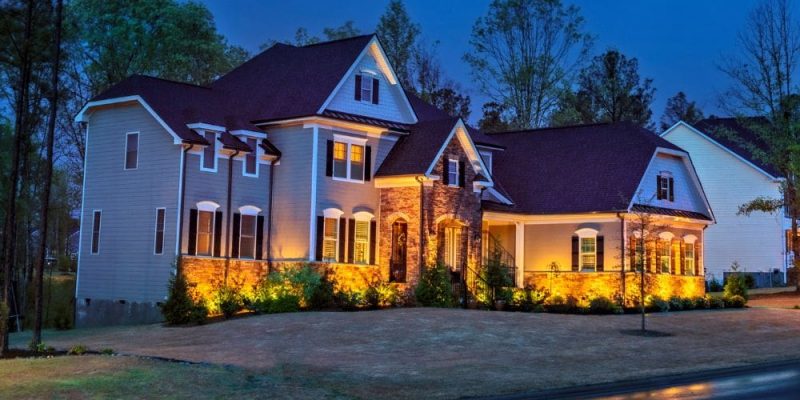
Creating a visually stunning home exterior is about more than just landscaping or architecture. Today, homeowners are increasingly turning to smart exterior lighting as a key strategy for boosting curb appeal, improving safety, and adding value to their property. The modern fusion of intelligent design and connected technology allows homeowners to illuminate their outdoor spaces with precision, efficiency, and creativity. Smart exterior lighting not only elevates the aesthetics of a home but also aligns with sustainable living by optimizing energy use and integrating automation features.
This article explores how to enhance curb appeal with smart lighting systems, focusing on design principles, functional zones, lighting technologies, and practical implementation strategies that produce professional-grade results.
Understanding Smart Exterior Lighting
Smart exterior lighting refers to lighting systems that can be controlled and automated using mobile apps, voice assistants, or integrated smart home hubs. These lights often feature sensors, timers, wireless connectivity, and energy-efficient bulbs. They can respond dynamically to environmental conditions, schedules, or motion triggers, offering both beauty and practicality.
Why Smart Lighting Matters for Curb Appeal
Curb appeal is more than daytime charm; it extends to how a property looks and feels after sunset. Smart exterior lighting provides:
- Dynamic visual appeal that highlights architectural details and landscaping features.
- Improved safety and visibility through automated pathways and perimeter lighting.
- Energy efficiency with dimming capabilities and motion activation.
- Customizability to create ambiance that aligns with seasons, holidays, or personal style.
- Home security reinforcement with motion-triggered illumination deterring intruders.
By implementing intelligent lighting solutions, homeowners gain control over their property’s appearance and safety, transforming exteriors into engaging nighttime environments.
Designing Exterior Lighting for Maximum Impact
A well-designed smart lighting plan considers the interplay of architecture, landscape, and technology. It starts with understanding the property’s focal points and selecting lighting types that highlight its strengths.
Identify Focal Areas
Every home has exterior elements that deserve attention. Smart lighting helps accentuate these key features effectively:
- Architectural details: Columns, arches, trim, and textures benefit from focused uplighting.
- Entryways and doors: Provide a welcoming glow with ambient sconces or recessed smart fixtures.
- Pathways and driveways: Use motion-sensor bollards or in-ground lights for safe navigation.
- Landscaping: Illuminate trees, shrubs, and water features for depth and contrast.
- Façade and roofline: Outline with subtle lighting for a balanced and structured appearance.
The goal is to create layers of light that enhance dimension while avoiding harsh glare or uneven illumination.
Integrating Smart Controls
A hallmark of smart exterior lighting is programmability. Integration with systems like Google Home or Alexa enables effortless control and automation. For instance:
- Timers and schedules ensure lights turn on at dusk and off at sunrise automatically.
- Geofencing activates lights when residents arrive home.
- Scene customization allows switching between lighting themes for parties, relaxation, or holidays.
- Energy optimization through sensors that adjust brightness based on ambient light.
These smart functions not only save energy but also add sophistication and convenience.
Choosing the Right Smart Lighting Fixtures
Selecting high-quality fixtures is crucial for achieving long-term performance and visual appeal. The best smart exterior lights are weather-resistant, energy-efficient, and compatible with automation platforms.
1. Smart Wall Sconces
Smart wall sconces bring elegance to entryways and patios. They combine architectural form with function, providing warm illumination that enhances façades. Opt for dimmable, color-tunable options to adapt mood lighting for different occasions.
2. Pathway and Garden Lights
These create visual direction and safety while emphasizing landscape structure. Smart pathway lights often include solar charging and motion activation features that reduce energy use. Group control allows synchronized illumination across a walkway for cohesive design.
3. Spotlights and Floodlights
Used to highlight key architectural or landscape elements, spotlights draw the eye toward points of interest. Floodlights with smart motion sensors can double as security features. Adjustable color temperature models allow for natural or dramatic effects depending on the design intent.
4. String and Accent Lighting
Smart string lights and LED strips add character to patios, pergolas, and decks. Controlled through mobile apps, they can change colors, brightness, and sequences for special events or everyday ambiance.
5. Recessed and In-Ground Lights
For minimalist designs, recessed and in-ground fixtures provide subtle illumination. These are ideal for driveways, stairs, or garden borders. Smart models let you control zones, brightness, and timers individually.
Layering Light for Visual Harmony
A professional-grade exterior lighting design typically incorporates multiple lighting layers:
- Ambient lighting: Provides general illumination for outdoor living spaces.
- Task lighting: Enhances safety and visibility in pathways, entries, and stairs.
- Accent lighting: Adds depth by spotlighting focal points like plants or sculptures.
Balancing these layers ensures visual harmony and functionality. Overlighting can create glare or wash out features, while under-lighting can leave spaces uninviting. The ideal design uses the right light intensity for each purpose, complemented by smart dimming and zoning controls.
Energy Efficiency and Sustainability Benefits
Smart exterior lighting not only enhances curb appeal but also supports sustainable living practices. LED-based systems and automation features reduce energy consumption significantly compared to traditional fixtures.
Energy-Saving Techniques
- Use of LED bulbs: LEDs consume up to 80% less energy than incandescent lights and have much longer lifespans.
- Adaptive brightness control: Lights dim automatically during low-traffic periods.
- Motion sensors: Activate illumination only when needed.
- Solar integration: Solar-powered smart lights reduce dependency on electrical grids.
- Smart scheduling: Prevents lights from running unnecessarily during daylight hours.
Together, these techniques can lower energy bills and environmental impact while maintaining a visually appealing exterior.
Security and Safety Integration
Smart exterior lighting significantly improves both home security and personal safety. It deters intruders by illuminating dark corners and ensures safe passage around the property.
Key features include:
- Motion detection that instantly brightens areas when movement is detected.
- Integration with security cameras for synchronized lighting and video capture.
- Automated alerts that notify homeowners when motion is detected.
- The ability to simulate occupancy when the homeowner is away, discouraging trespassers.
With these features, homeowners can rest assured that beauty and safety coexist seamlessly.
Incorporating Smart Lighting into Architectural Design
Architects and designers are now incorporating smart exterior lighting systems into the early stages of project planning. Instead of treating lighting as an afterthought, they design around how light interacts with materials, textures, and forms.
Best design practices include:
- Concealing fixtures within architectural lines for a sleek, integrated look.
- Using light to emphasize depth, shadow, and symmetry.
- Coordinating color temperatures across different zones to maintain visual coherence.
- Ensuring that wiring and controls are accessible for maintenance and updates.
- Avoiding light pollution by directing illumination precisely where needed.
A well-integrated system makes the lighting feel like part of the architecture rather than an add-on.
Automation and Smart Home Ecosystem Integration
The most advanced exterior lighting systems connect seamlessly to broader smart home ecosystems. This integration allows for unified control across security, climate, and entertainment systems.
Examples of integration:
- Lights turn on automatically when a smart door lock is activated.
- Security lights sync with outdoor cameras to record motion events.
- Weather-based automation adjusts brightness during fog or rain.
- Voice commands through assistants like Alexa or Google Home control entire lighting scenes.
Such holistic automation not only enhances curb appeal but also streamlines the homeowner experience through convenience and connectivity.
Real-World Application and Case Insights
Consider a homeowner who replaces outdated outdoor fixtures with a network of smart LED spotlights and pathway lights. By configuring zones and automation schedules, the lighting adapts for different times of day, improving both aesthetics and security. Over time, energy consumption decreases by nearly 40%, showcasing both design and environmental value.
Another example is an urban townhouse using color-tunable façade lighting to highlight architectural features. Through mobile app control, the homeowner can adjust tones for seasonal displays or celebrations, adding personalized curb appeal while maintaining energy efficiency.
These practical implementations prove that smart exterior lighting offers measurable and aesthetic benefits across a variety of residential contexts.
Common Mistakes to Avoid
- Overlighting: Excess brightness can wash out features and disturb neighbors. Use dimming controls and proper beam spreads.
- Ignoring maintenance: Dust and weather exposure can degrade performance. Regular cleaning extends fixture lifespan.
- Poor zoning: Grouping too many fixtures under a single control limits flexibility. Create independent zones for different areas.
- Inconsistent color temperatures: Mixing cool and warm tones creates visual discord. Select one range for harmony.
- Neglecting security integration: Overlooking sensor and camera pairing misses an opportunity for safety optimization.
Avoiding these pitfalls ensures your lighting design remains efficient, balanced, and visually cohesive.
Future Trends in Smart Exterior Lighting
Smart exterior lighting is rapidly evolving. Upcoming innovations include:
- AI-driven light optimization that learns homeowner habits and weather patterns.
- Dynamic color tuning that adjusts automatically to complement natural light conditions.
- Wireless mesh networks for faster communication between fixtures.
- Integrated solar-battery systems that make exterior lighting completely grid-independent.
- Smart façade materials that incorporate micro-LEDs for responsive illumination.
As technology advances, exterior lighting will become more intuitive, sustainable, and architecturally expressive.
Frequently Asked Questions
How can I start with smart exterior lighting on a budget?
Begin by upgrading existing fixtures with smart bulbs and adding motion sensors or timers. Over time, expand to more advanced systems with integrated controls.
Can smart exterior lighting work without an internet connection?
Many systems include local control via Bluetooth or Zigbee, allowing functionality even if Wi-Fi is unavailable.
What is the best color temperature for exterior lighting?
Warm white (2700K–3000K) creates a welcoming glow for façades and patios, while neutral white (3500K–4000K) works well for pathways and security zones.
Is professional installation necessary for smart exterior lighting?
For complex systems involving hardwired fixtures, automation hubs, or large properties, professional installation ensures safety and reliability. However, many smart plug-and-play options are suitable for DIY setup.
How does smart lighting increase home value?
Buyers increasingly value energy efficiency, automation, and security. Smart exterior lighting adds both functional and aesthetic appeal, improving marketability and perceived property value.
Incorporating smart exterior lighting into your home’s design is more than a style choice—it’s a commitment to energy-conscious living, modern convenience, and timeless curb appeal.






Comments