
 By
By 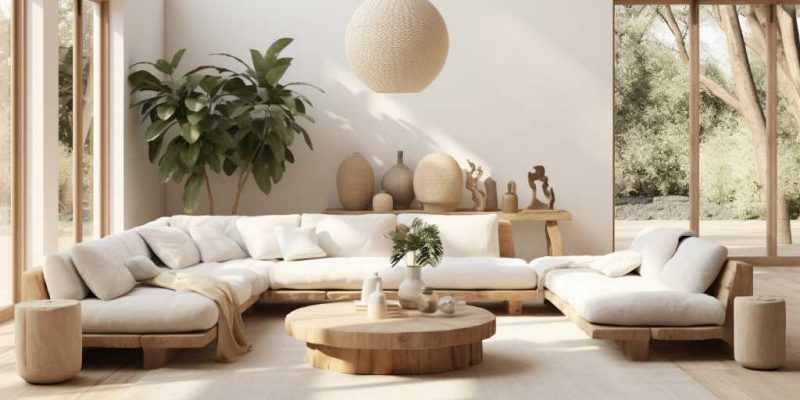
Modern homes have become an intersection of design innovation, functionality, and sustainability. The way furniture is designed and used today reflects a deeper shift in how people live, work, and interact within their spaces. The top furniture trends shaping modern homes reveal a new design language focused on comfort, versatility, and aesthetic balance. Homeowners are increasingly prioritizing furniture that not only looks good but also adapts to changing lifestyles and technological integration. From eco-friendly materials to smart multifunctional designs, the latest trends represent a movement toward thoughtful living rather than simple decoration.
Understanding the Evolution of Modern Furniture
Furniture trends are not merely about colors or styles—they reflect broader cultural and technological changes. Over the last decade, interior design has transitioned from purely aesthetic-driven choices to experience-driven design. People want pieces that tell a story, perform multiple roles, and fit into homes that double as offices, wellness spaces, and entertainment hubs.
Today’s furniture blends craftsmanship with innovation. The rise of minimalist living, sustainability awareness, and smart home integration has redefined what it means to design a modern interior. As homes evolve into multifunctional environments, furniture must respond to both form and function with equal precision.
1. Sustainable and Eco-Friendly Materials
Sustainability has become the foundation of modern furniture design. Homeowners are increasingly drawn to eco-conscious materials that align with their values of responsible consumption. Designers are emphasizing renewable resources, recycled components, and ethical sourcing to minimize environmental impact.
Popular sustainable materials include:
- Reclaimed wood: Salvaged from old structures, reclaimed wood provides natural warmth and character while reducing deforestation.
- Bamboo and rattan: Renewable, lightweight, and durable, these materials add texture and a biophilic touch to interiors.
- Recycled metals and plastics: Industrial-grade recycling has made it possible to create strong, modern frames without waste.
- Organic fabrics: Upholstery made from organic cotton, hemp, or linen enhances comfort while supporting eco-conscious production.
This movement has also popularized locally crafted furniture, reducing transportation emissions and encouraging regional artisanship. Sustainability is no longer a niche preference—it has become a central design principle for modern homes.
2. Modular and Multifunctional Furniture
The shift toward smaller urban homes and flexible living arrangements has made modular furniture a defining trend. These adaptable pieces can be rearranged, expanded, or compacted to fit changing needs.
Examples of modular innovation include:
- Sectional sofas that can be reconfigured for lounging, sleeping, or entertaining.
- Extendable dining tables that adapt from everyday use to hosting guests.
- Storage ottomans and benches that combine seating with concealed compartments.
- Foldable or stackable furniture that maximizes space efficiency in compact apartments.
Modern furniture now emphasizes transformation rather than permanence. Homeowners want designs that evolve with their lifestyles, making modularity an essential part of contemporary interior planning.
3. Smart Furniture and Technological Integration
Technology has entered every corner of the modern home, and furniture is no exception. Smart furniture integrates technology seamlessly into design, enhancing comfort and convenience.
Key developments include:
- Wireless charging surfaces built into desks, nightstands, and coffee tables.
- Adjustable smart beds that track sleep patterns and optimize comfort levels.
- Voice-controlled lighting and temperature systems embedded in furniture.
- Ergonomic home office desks with automated height adjustment and cable management.
As remote work and digital lifestyles become standard, furniture that merges functionality with technology ensures homes remain efficient, organized, and future-ready.
4. Minimalist Aesthetics with Organic Warmth
Minimalism continues to dominate modern design, but the current interpretation moves away from cold austerity toward organic simplicity. The focus is on clean lines, natural textures, and soft neutral tones that create calm, livable spaces.
Core elements of minimalist furniture design:
- Neutral palettes of beige, gray, cream, and soft earthy tones.
- Rounded silhouettes replacing sharp, rigid angles for a more inviting feel.
- Natural textures like wood grain, woven fibers, and stone surfaces.
- Uncluttered forms that prioritize purpose and visual clarity.
The result is a refined aesthetic that feels warm, not sterile. Minimalism now celebrates the beauty of restraint, where every piece serves a function and contributes to spatial harmony.
5. Biophilic Design and Nature-Inspired Furniture
Incorporating nature into interiors continues to grow as people seek homes that promote well-being and tranquility. Biophilic design connects indoor environments with the outdoors, using natural materials, textures, and shapes to foster a sense of calm.
Notable biophilic furniture features:
- Furniture made from live-edge wood, maintaining its natural grain and imperfections.
- Upholstery inspired by botanical patterns or earthy hues.
- Indoor garden furniture that integrates planters or greenery into structural elements.
- Curved organic shapes mimicking natural forms, softening the geometry of rooms.
Biophilic furniture not only enhances aesthetics but also contributes to mental and emotional wellness. As sustainability merges with wellness-focused design, nature-inspired interiors have become essential in modern living spaces.
6. Retro Revival with Modern Adaptation
Nostalgia continues to influence furniture design, with mid-century modern and retro-inspired pieces making strong comebacks. However, these classics are being reimagined through contemporary materials, vibrant colors, and sleek finishes.
Characteristics of the modern retro trend:
- Tapered wooden legs and geometric lines reminiscent of the 1950s and 60s.
- Rich jewel tones like emerald, sapphire, and mustard paired with neutral bases.
- Velvet, leather, and boucle fabrics that add texture and depth.
- Mixed materials such as wood with metal or glass, balancing tradition and innovation.
This trend resonates with homeowners seeking timeless appeal while maintaining modern functionality. It bridges past and present seamlessly, adding character to minimalist spaces.
7. Comfortable Luxury and Soft Geometry
Today’s homeowners prioritize comfort as much as style. Furniture is designed to offer a sense of sanctuary without compromising sophistication. The modern luxury aesthetic focuses on plush forms, tactile fabrics, and ergonomic proportions.
Defining traits of the comfort-driven trend:
- Rounded corners and soft edges on sofas, tables, and beds for an inviting feel.
- Plush upholstery in chenille, suede, or velvet that enhances relaxation.
- Low-profile seating that creates openness and flow.
- Layered textures mixing soft fabrics with matte metal or stone accents.
Luxury now means livability—furniture that feels indulgent yet practical, creating a harmonious balance between coziness and elegance.
8. Personalization and Bespoke Design
Customization is transforming how people approach furniture buying. With the rise of digital design tools and made-to-order manufacturing, homeowners can now personalize every aspect of their furniture, from materials and dimensions to finishes and color schemes.
Advantages of custom furniture:
- Ensures perfect proportions for unique spaces.
- Reflects individual style preferences.
- Reduces waste by producing only what’s needed.
- Allows creative combinations of materials and finishes.
Bespoke design makes each home feel truly personal. Instead of mass-produced uniformity, custom furniture delivers individuality and craftsmanship, aligning perfectly with modern homeowners’ desire for authenticity.
9. Statement Pieces as Functional Art
Furniture is increasingly seen as a form of art that tells a story or evokes emotion. Statement pieces are bold, sculptural, and expressive, serving as focal points in modern interiors.
Examples of functional art in furniture:
- A curved marble coffee table that doubles as a conversation starter.
- Oversized lounge chairs with sculptural silhouettes.
- Handcrafted dining tables showcasing intricate inlays or metalwork.
- Lighting fixtures that blur the line between décor and sculpture.
By combining artistry and practicality, these pieces make interiors feel curated and sophisticated without overwhelming the space.
10. Home Office Integration and Hybrid Living
The global shift toward remote and hybrid work has permanently changed residential furniture design. The home office is no longer a temporary setup—it is a fundamental part of modern living.
Current trends include:
- Convertible workspaces such as fold-down desks and modular partitions.
- Ergonomic chairs designed for long-term comfort.
- Multi-use tables that transition between dining and working surfaces.
- Cable-free setups with hidden compartments for technology storage.
Home office furniture now blends seamlessly with residential décor, balancing productivity with aesthetic appeal. The goal is to maintain a professional environment without sacrificing homely warmth.
11. Global Craftsmanship and Cultural Fusion
Modern furniture design celebrates cultural diversity by merging global influences into cohesive contemporary aesthetics. Artisans draw inspiration from regional traditions, using locally sourced materials and time-honored techniques.
Examples of cultural fusion in furniture:
- Scandinavian simplicity paired with Japanese wabi-sabi principles.
- Moroccan patterns reinterpreted through modern geometry.
- Handwoven textiles and tribal motifs incorporated into upholstery.
- Terracotta, brass, and natural stone finishes reminiscent of Mediterranean design.
This global approach adds depth, storytelling, and a sense of authenticity to modern interiors. It transforms furniture from mere utility into a celebration of heritage and craftsmanship.
Frequently Asked Questions
How can I incorporate modern furniture trends without a full home redesign?
Start small by updating accent pieces such as chairs, lighting, or coffee tables. Introducing modern materials or textures gradually can modernize your space without complete renovation.
What furniture colors are currently trending in modern homes?
Earthy neutrals like beige, taupe, and clay remain popular, while muted jewel tones such as olive green and terracotta are emerging as statement shades. These colors create balance and warmth.
How do I balance functionality with aesthetics in furniture selection?
Prioritize versatility. Choose pieces that serve multiple purposes—like storage ottomans or extendable tables—without compromising design integrity.
Is sustainable furniture more expensive?
Not necessarily. While handcrafted or bespoke pieces may cost more initially, they often last longer and reduce replacement costs, making them more cost-effective in the long run.
What role does lighting play in showcasing modern furniture trends?
Lighting enhances texture, color, and form. Smart lighting systems can highlight furniture contours, create ambiance, and emphasize focal areas within a room.
Can I mix vintage and modern furniture styles?
Yes. Blending eras adds personality. Pair mid-century designs with minimalist pieces or combine rustic wood accents with contemporary metals for a balanced, eclectic look.
Modern furniture design continues to evolve in response to lifestyle changes, sustainability goals, and technological advancements. The top furniture trends shaping modern homes reflect a shift toward meaningful, adaptive living—where comfort, function, and artistry coexist seamlessly.








Comments