
 By
By 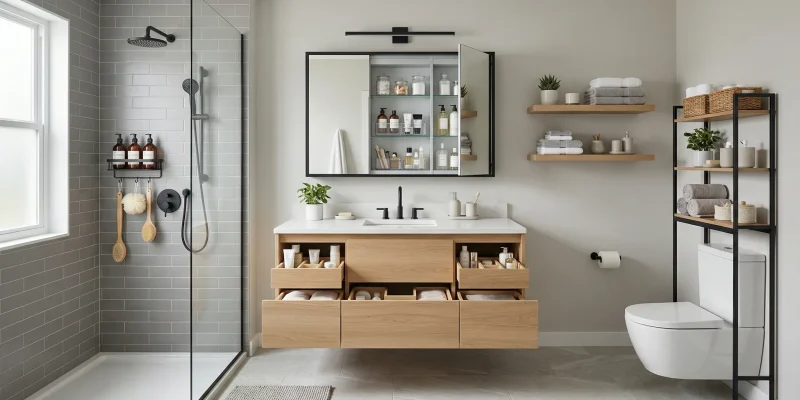
Bathroom storage has long been an afterthought in residential design. For decades, builders and homeowners relied on the standard formula of a vanity cabinet beneath the sink, a generic medicine cabinet with a mirrored door, and perhaps a flimsy towel bar screwed into drywall. As modern living demands more from our personal spaces, this one-size-fits-all approach falls short. Bathrooms are no longer just utilitarian rooms for quick routines; they have transformed into private sanctuaries dedicated to wellness, self-care, and daily rejuvenation. Achieving this level of tranquility requires eliminating clutter, which is nearly impossible with off-the-shelf storage solutions that leave awkward gaps and wasted square footage.
Rethinking bathroom storage through custom built-ins changes the entire dynamic of the room. By designing storage solutions tailored specifically to the architecture of the space and the habits of the household, every square inch becomes purposeful. Custom cabinetry integrates seamlessly into walls, alcoves, and unused corners, turning dead space into functional design assets. This shift toward personalized spatial planning elevates the aesthetic appeal of the bathroom while providing practical, long-term organization that adapts to evolving needs.
The Limitations of Off-the-Shelf Solutions
Mass-produced vanities and freestanding shelving units are designed to fit anywhere, which means they rarely fit anywhere well. Standard cabinets leave gaps between the unit and the walls, creating dust traps that are difficult to clean. Freestanding towers eat up valuable floor space in compact bathrooms, making the room feel cramped and uninspired. Furthermore, standard drawer depths and shelf heights rarely accommodate specific items like tall hair styling tools, oversized lotion bottles, or specialized grooming kits.
Store-bought options also compromise on material quality. Many are constructed from particleboard or low-grade medium-density fiberboard wrapped in synthetic veneers that peel and swell when exposed to the high humidity typical of bathrooms. Over time, hinges sag, drawer tracks stick, and the entire unit begins to look dated and worn. Custom built-ins solve these durability issues by utilizing moisture-resistant hardwoods, marine-grade plywood, and high-performance hardware engineered to withstand steamy environments for decades.
Maximizing Vertical and Dead Space
When floor space is at a premium, the only way to expand storage capacity is to look upward. Standard cabinetry rarely reaches the ceiling, leaving a dead zone that accumulates dust and wastes cubic footage. Custom built-in cabinetry can extend all the way to the ceiling line, drawing the eye upward and making the room feel taller while providing massive amounts of concealed storage.
-
Recessed Wall Niches: Between standard wall studs lies roughly three and a half inches of unused depth. Framing custom recessed shelving units or cabinets directly into the wall cavities creates flush storage for everyday items without encroaching on walking paths.
-
Over-the-Toilet Towers: Instead of a wire rack that wobbles, a custom floor-to-ceiling cabinet built around and above the toilet provides concealed storage for extra toilet paper, cleaning supplies, and guest towels.
-
Corner Transformations: Standard shelving often makes corners awkward to access. Custom built-ins can incorporate specialized pull-out carousels or diagonal shelving that transforms dead corners into high-capacity storage zones.
Tailored Interior Organization
The true value of custom built-ins lies behind closed doors. Generic cabinets often turn into black holes where items get pushed to the back and forgotten. Custom interiors allow for hyper-specific organizational systems designed around individual routines.
Consider incorporating built-in electrical charging drawers equipped with heat-resistant stainless steel holders for hair dryers, curling irons, and straighteners. This keeps cords out of sight and countertops completely clear of clutter. Shallow pull-out drawers lined with felt or rubber mats can keep makeup palettes, skincare bottles, and small grooming tools neatly separated and instantly accessible. Deep pull-out hampers integrated into the vanity base keep dirty laundry hidden away while maintaining a clean, streamlined look.
Material Selection and Aesthetic Integration
Designing custom built-ins gives you total control over the visual language of the bathroom. Rather than matching mismatched furniture pieces, custom cabinetry allows the storage to act as an extension of the room architectural identity.
Selecting the right materials is critical for longevity in a high-moisture environment. Quarter-sawn white oak, teak, and properly sealed maple offer exceptional durability and natural resistance to humidity fluctuations. For painted finishes, moisture-curing conversion varnishes provide a hard, waterproof seal that resists chipping and water damage far better than standard latex paints.
Integrating the hardware rounds out the design. Choosing pulls and knobs that match the plumbing fixtures creates a cohesive, high-end look. Touch-latch hardware can eliminate the need for handles altogether, offering a minimalist, push-to-open aesthetic that keeps lines clean and uninterrupted.
Frequently Asked Questions
What is the average cost difference between stock vanities and custom built-ins?
Stock vanities typically cost a few hundred to a couple of thousand dollars, whereas custom built-ins require skilled carpentry and specialized design, usually starting significantly higher depending on wood species, hardware complexity, and built-in features. However, custom built-ins add permanent equity to your home and last substantially longer than mass-market alternatives.
Can custom built-ins be installed in a small bathroom?
Yes, custom built-ins are actually more beneficial in small bathrooms than in large ones. By designing storage that utilizes awkward angles, vertical height, and recessed wall cavities, custom solutions make small rooms feel larger by eliminating bulky furniture and floor clutter.
How do you protect custom wood cabinets from bathroom humidity?
Protecting wood involves using stable, moisture-resistant lumber species like white oak or teak, applying marine-grade sealants or conversion varnishes, and ensuring the bathroom has a properly sized exhaust fan to control steam and moisture buildup during showers.
Are electrical outlets safe inside custom bathroom cabinets?
Yes, licensed electricians can install GFCI-protected outlets safely inside custom drawers or cabinets. This setup is ideal for keeping electric toothbrushes, razors, and styling tools plugged in and charging out of sight.
How long does the design and installation process typically take?
From the initial design consultation and material selection to handcrafting the cabinetry and final installation, the process generally spans anywhere from four to eight weeks, depending on the complexity of the design and the carpenter workload.
Can custom built-ins be retrofitted into an existing bathroom layout?
In most cases, yes. Skilled cabinetmakers can measure your existing space and build units designed to slide or anchor directly into place without requiring a complete gut renovation, though minor plumbing or electrical adjustments may sometimes be necessary.







Comments